

For someone who believes that Americans’ obsession with self-improvement is an epidemic facilitated by marketers trying to sell us products we don’t need, I’m weirdly obsessed with new year’s resolutions. And while I know that the Gregorian calendar is a human construct and that January 1 is no different than any other day, every December, like clockwork, I start thinking about what my resolution will be.
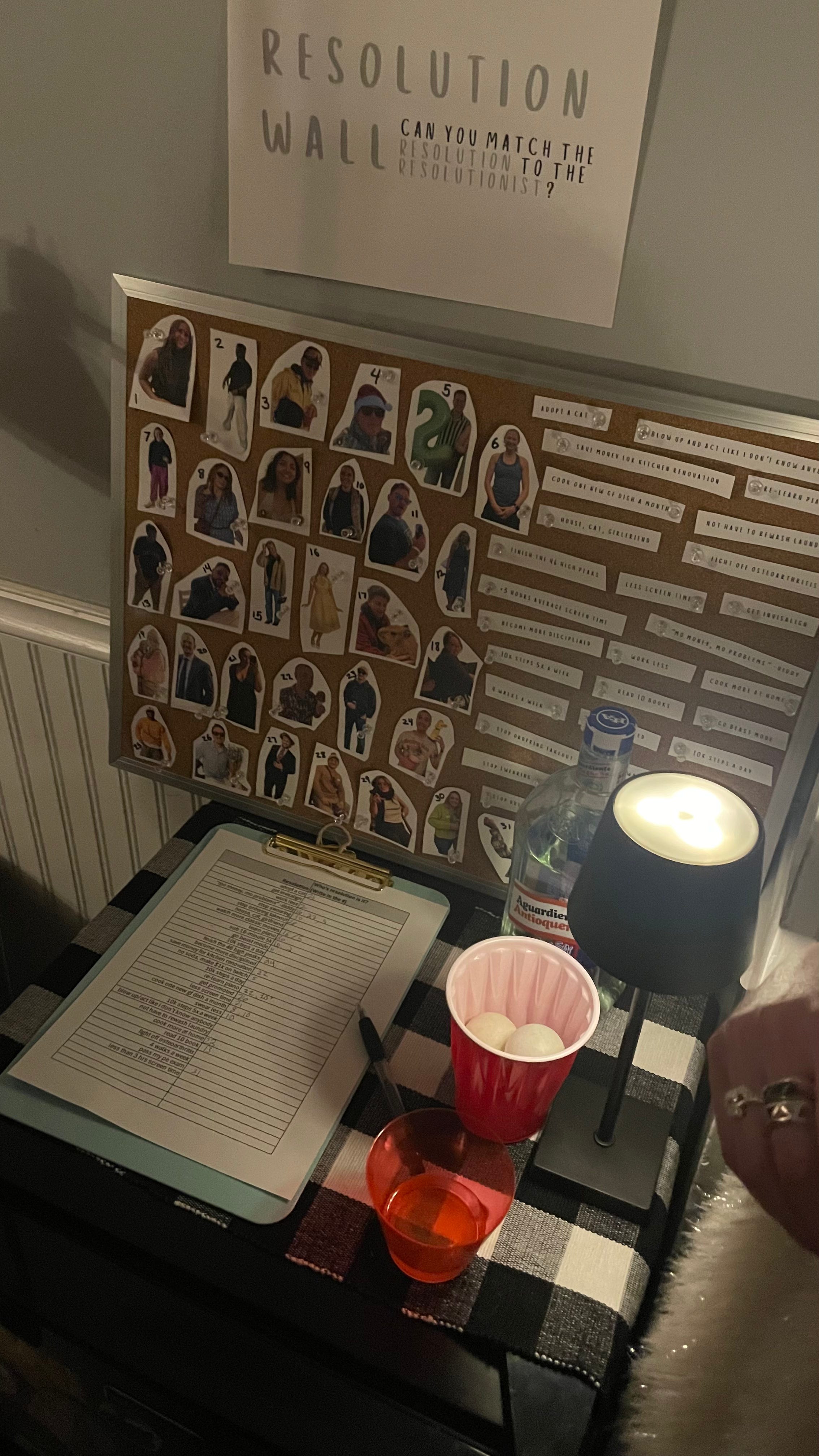
This year, I hosted my first New Year’s Eve party, and made everyone send in their 2026 resolution beforehand. I typed them all up, printed them out, and pinned them to a bulletin board along with a photo of each attendee. The game was to try to match the person with the resolution. The entries were all over the map: “work less,” “cook more,” “learn to play the piano,” and, my personal favorite, “house, cat, girlfriend.” My friend from Burlington, who recently reposted the below image on Instagram, has decided her resolution is to “drink more Bloody Marys.” When I asked how that was going, she said, “Swimmingly.”

While no one at my party resolved to go on a Pasta Quest in 2026, there were a couple of resolutions shared by a surprising number of people. Capital Regionites—or my friends, at least—want to spend less time on their phones, and more time walking.
In addition to limiting screen time and walking (10,000 steps a day, specifically), I’ve heard of a lot of people in town participating in Dry January. (It’s not technically a new year’s resolution, but it comes at the beginning of the new year, so I’m counting it.) Here’s how some of those resolution-makers are faring three weeks into 2026.
Resolution: Less Screen Time

It’s hard to deny that we’re addicted to our phones. Stillwater resident Alec Lind’s weekly screen time report (that pesky iPhone notification that alerts you every Sunday morning as to just how much time you’ve been wasting) was around five hours a day. In 2026, he’s resolved to bring that number below three.
“I haven’t had Instagram in two weeks,” he says. “I’m totally in the dark with news and what’s new in people’s lives, but on the plus side, I don’t know the news or what’s new in people’s lives. So that’s been great.”
Right now, Alec’s averaging around three hours of screen time a day, but hasn’t implemented phase 2 of his plan: deleting the X app.
Rensselaer resident Gabby Kolarik also wants to reduce her screen time, but says January hasn’t been a great month so far. “I’ve been trying to do less phone screen time, but my television screen is a different story,” she says. “I’ve binged two new TV shows, but they were definitely worth it. I did finish one book and have started another, so that’s something.”
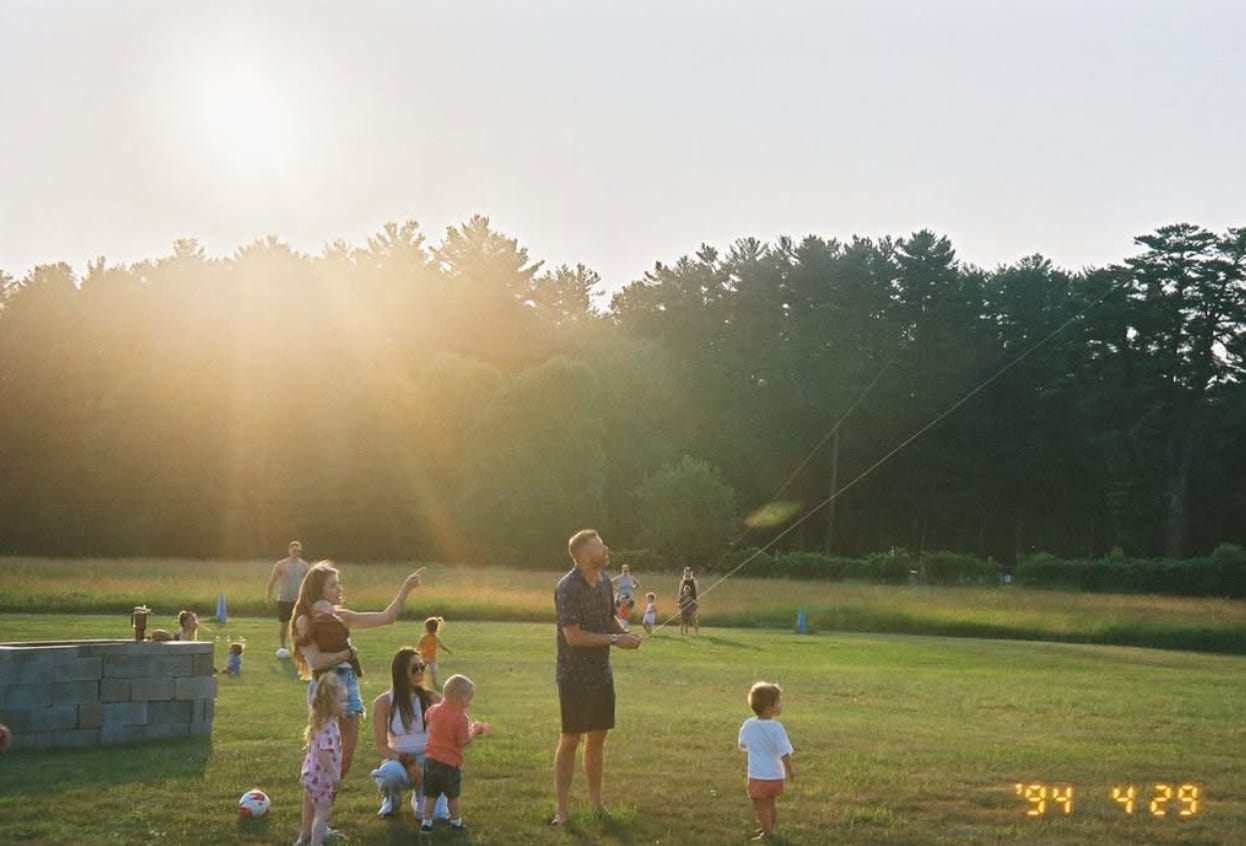
While Gabby and Alec are doing valiant work to curtail their own phone usage, a larger movement has also begun to reduce the amount of time children spend on screens. Support for what The Anxious Generation author Jonathan Haidt calls a play-based childhood (as opposed to a phone-based childhood) started picking up last summer at Pitney Meadows’ weekly Summer Sunset Socials, which required families to check their phones at the door so that they could be fully present to fly a kite, play cards, or simply wait for the fireflies to light up the night. Then, SPAC brought Julie Scelfo, founder of Mothers Against Media Addiction (MAMA), to Saratoga for a talk, and local parents began organizing.
“It's very pre preliminary right now,” says mother-of-two Christina DeSimone about the grassroots group. “So far, it’s been a fact-finding mission—finding out what’s going on and sharing stories about what’s happening to our children behaviorally. We’ve starting talking about what we have to do to form a local chapter of MAMA.” (To get involved, email Christina at cmuza@gmail.com.)
While Christina’s own children (who are 5 and almost 7) have never had screens of their own, she says other parents have noticed behavioral changes in their kids as soon as they’re given their own phones, and are now engaged in a never-ending fight to limit screen time.
“We’re the last generation to grow up without technology and know that Sandlot summer where you grabbed a baseball and played outside,” Christina says. “But we’re also the only generation that’s lived in both worlds. So I feel like it’s our duty to make sure people are aware of what’s happening with depression, anxiety—all of these results of technology and social media use—and show our kids how great a childhood can be.”
Resolution: Walk 10,000 Steps a Day
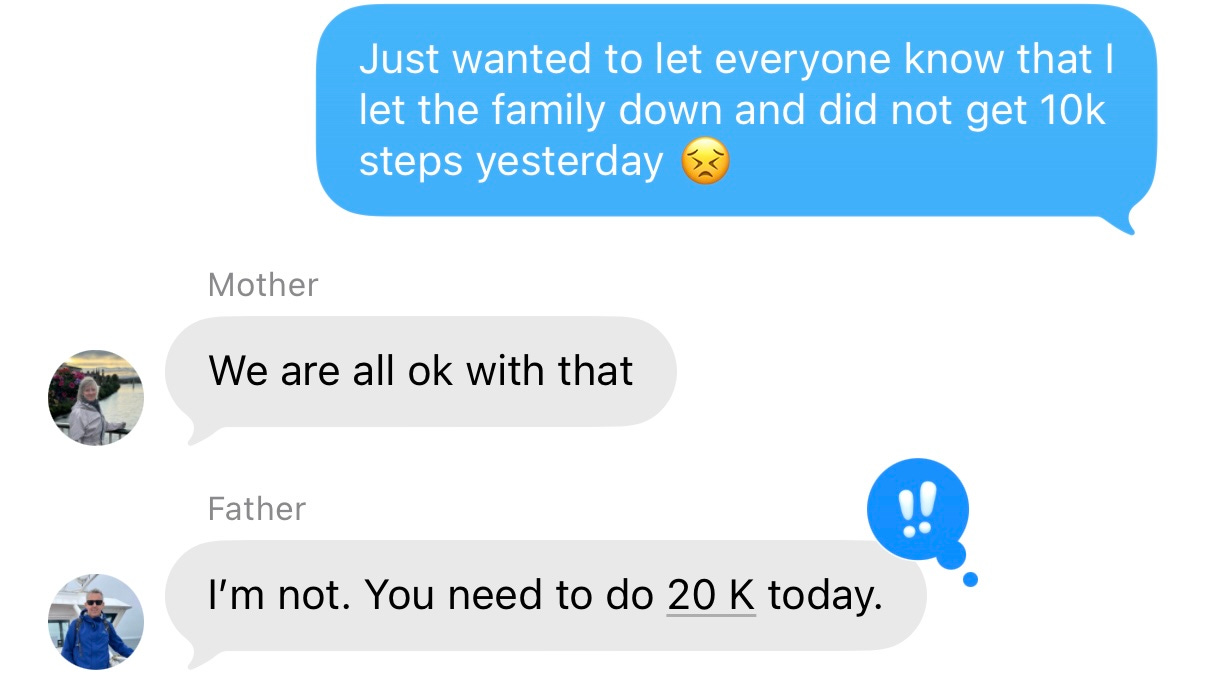
At my party alone, there were four women who’ve resolved to walk 10,000 steps a day.
“There are a lot of studies out there that show metabolic benefit at that level,” says physician assistant Erica Ziskin, one of the people who’s set out to meet that goal. “It’s not necessarily new info, but it’s becoming popular on TikTok and social media. Pretty much, people are just really sedentary.”
Dietician Sarah Griffiths concurs. “I didn’t realize how little movement I got during the day until I started doing this,” she says. “I typically work through my lunch, so the day just flies by without me noticing. An unforeseen challenge is the fact that it’s winter and the last thing I want to do is go outside. And because I work in a smaller building, walking around inside just makes me look like a weirdo.”
This week, I took to the track at the Saratoga Y to see just how hard getting 10,000 indoor steps would be. One lap around was around 220 steps. That means I’d have to do 45.5 laps—4.8 miles—to get to 10,000. I walked about half of that in 45 minutes, and called it a day. I don’t have time to spend two hours a day walking in a circle.
“It’s harder than expected, for sure,” says Daisy Sullivan, a tech consultant for a surgical supply company who’s taken on the challenge but has missed six days so far. “The hardest thing is that I live on a busy road so I can’t easily walk anywhere from my house. So I’m doing after-dinner walks up and down my driveway.”
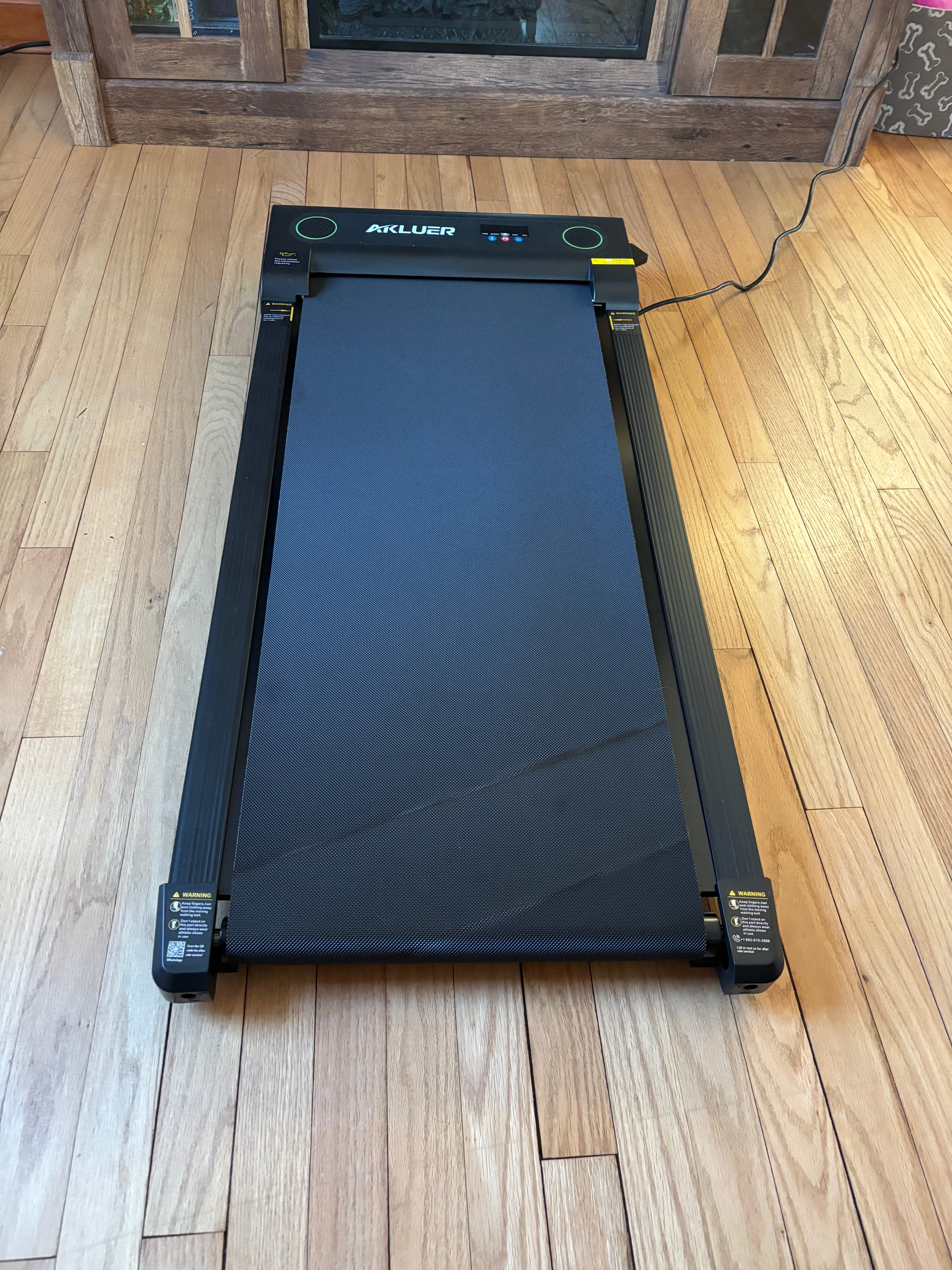
Erica says she’s been able to meet 10,000 steps around 90 percent of days thanks to a walking pad (a mini treadmill). Sarah also bought a walking pad that she moves between her standing desk and the living room, and has met her goal every day…except for the first day of the year. “January 1 doesn’t count when you’re hungover,” she says. “Right?”
Resolution: Dry January
Speaking of hangovers, they seem to be on the decline as Americans increasingly avoid alcohol, not just during what has been deemed “Dry January,” but year round.
“America as a whole is at an all-time low for drinking,” says Ashley Salvadore, cofounder of Undrunk Club, which hosts social meetups around the 518, without the booze. “People started buying tickets for our January 29 event left and right the second the link went up.”
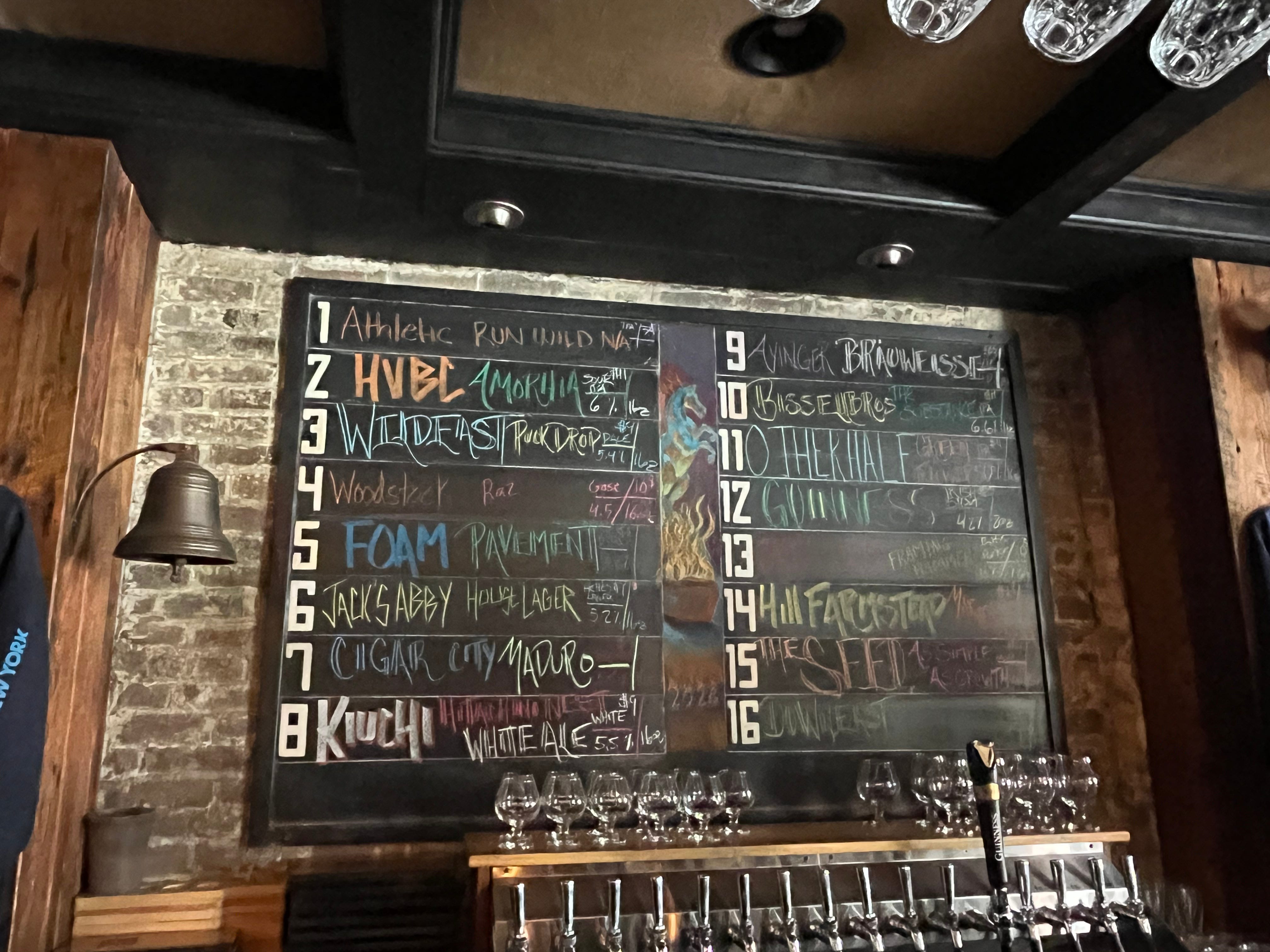
In Saratoga, bars are feeling the effects of Dry January and the larger sober movement. Henry Street Taproom now has an NA beer on draft that owner Ryan McFadden says has been very popular, and Pint Sized owner August Rosa has doubled down on his messaging that going to bars is good for you. “Alcohol is good,” a recent Pint Sized Instagram post reads. “Even for breakfast. We are social beings. Enjoy beverages with friends and family in the real world. Get out there.” A recent GQ article shares the same sentiment. “Skipping after-work drinks might be better for our bodies,” the article says, “but what happens to our social lives when alcohol is no longer part of the equation?”
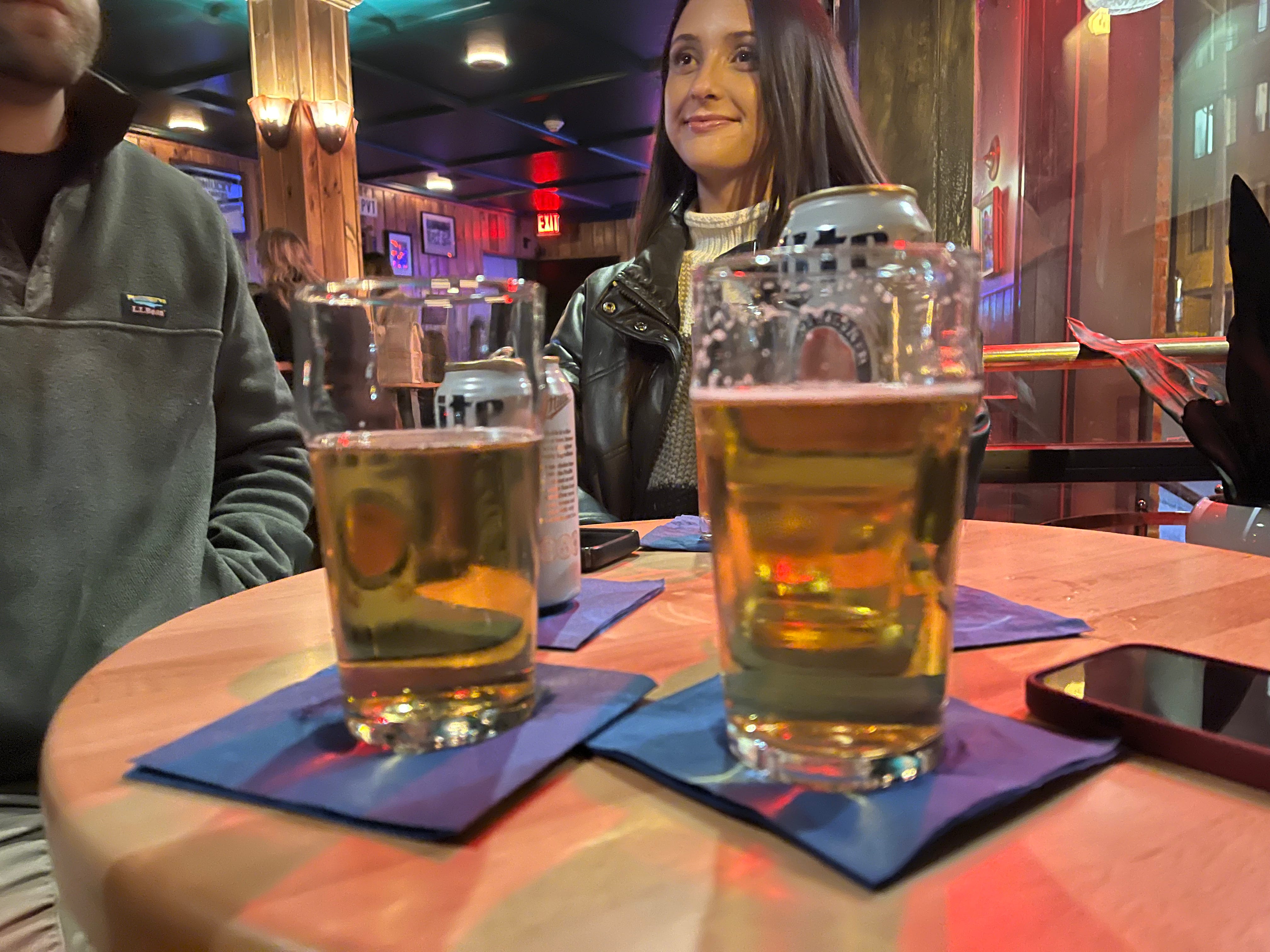
That’s a question Rotterdam resident Brad Smith set out to answer when, after a flat tire prevented him from making it to a New Year’s Eve party (mine), he awoke on January 1 without a hangover. “When I woke up around 7am feeling refreshed and energized, I realized that there may be something to this ‘Dry January’ thing,” says the accountant. “When I first started, I bought into the hype of the physical and mental health benefits I’d gain from partaking. So far, I have realized almost none of them."
Three weeks into the month, Brad has developed a hypothesis. “Dry January is a scam,” he says. “The healthiest option for me is to consistently throw back a few pints with the boys a night or two every week.”
Saratoga Living Advertising Director Annette Quarrier is another local who’s not quite sold on Dry January. “I’ve succeeded so far, but I do plan on drinking next Friday, the 30th, because a friend is coming to visit and four weekends of Dry January is enough. If January 1 was on a Monday or a Tuesday, there would only be four weekends in January. Just saying.”
—Natalie
A Purdy Good Cocktail
Brought to you by Purdy’s Discount Wine & Liquor
For those of you doing Dry January, there’s water. For the rest of us, there’s this refreshing red wine spritzer, made with a low-sugar Cab Sauv from Purdy’s.

Red wine spritzer
Ingredients
3-4 fresh blackberries, muddled
2 oz. Bellissima Zero Sugar Cabernet Sauvignon
3-4 oz. seltzer water
2-3 fresh mint leaves (optional)
Directions
Grab a rocks glass or stemless wine glass.
Muddle blackberries, then fill the glass halfway with ice.
Add in wine first and then seltzer to fill the glass. Add optional mint leaves, stir, and enjoy!